Ban Mines USA Audio and Privacy Desk
Understand podcast availability, family music sharing, nickname history, and privacy exposure.
Latest Reports
Clear guides for repeat readers.
How to Reduce the Exposure of Adult Content Viewing History and Payments on Shared Devices
Shared Devices Can Reveal More Than Your Browser History Using a shared computer, tablet, smart TV, or other household device means your activity may...

How to Compare Anime and Manga Exhibitions and Pop-Up Stores by Admission Fees, Limited Products, and Viewing Scope
Anime exhibitions and pop-up stores are often announced together during major franchise promotions, making them easy to confuse. Both may feature character displays, exclusive...
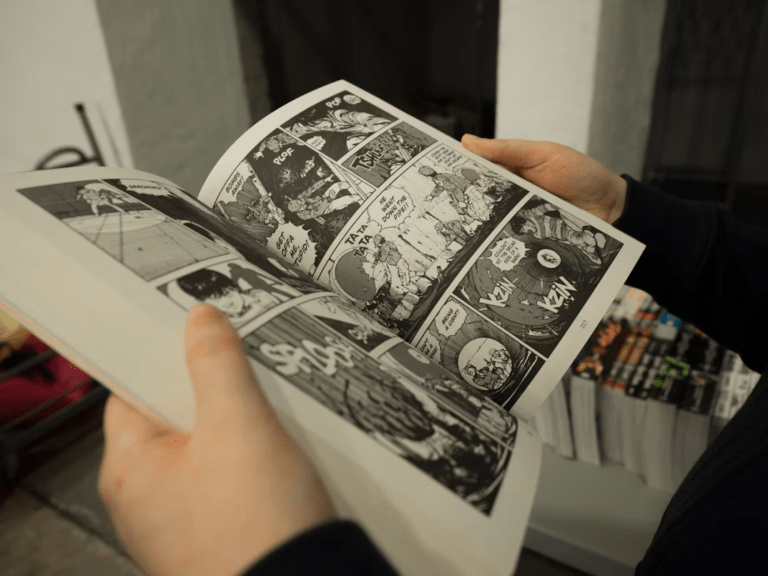
Criteria for Evaluating Price and Condition When Buying Out-of-Print Manga and Limited-Edition Products Secondhand
An out-of-print label does not automatically make a manga volume valuable, and a high asking price does not prove that collectors are willing to...
Why Podcast Episodes Are Deleted or Reuploaded
Common Reasons Podcast Episodes Disappear A podcast episode that suddenly disappears has not necessarily been censored, permanently deleted, or removed because the host did...
How to Reduce Personal Information Exposure When Nickname History and Past Activity Can Be Linked
How Nickname History and Past Activity Can Become Connected Using a nickname instead of your real name does not automatically make your activity anonymous....